
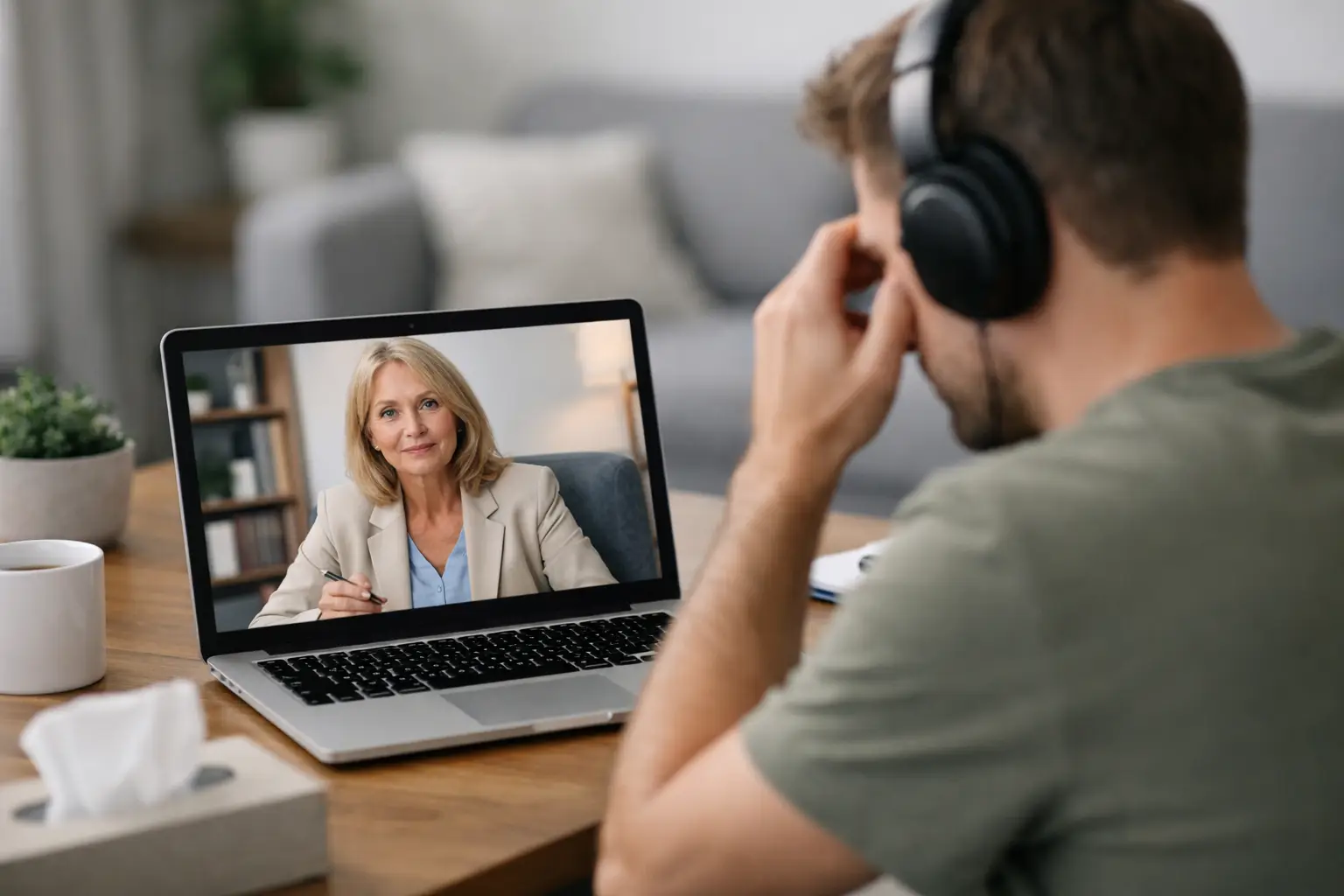
A psychiatrist for PTSD online can make care feel more reachable when trauma symptoms have made everyday routines feel difficult. If driving to an appointment, sitting in a waiting room, or explaining your experience to a new person feels overwhelming, a secure video visit offers a private place to begin. The goal is not to rush you into a label or hand you a generic plan. It is to understand what you have been carrying and discuss care that fits your life.
Post-traumatic stress disorder can affect people in different ways. Some people have vivid memories, nightmares, or physical reactions that seem to come from nowhere. Others feel constantly alert, avoid certain places or conversations, struggle to sleep, or feel disconnected from people they care about. Symptoms may begin soon after a traumatic event, but they can also surface months or years later.
When PTSD Symptoms Are Affecting Daily Life
PTSD is not a sign of weakness or a failure to “move on.” It is a mental health condition that can develop after experiencing or witnessing a traumatic event. Trauma can include abuse, violence, an accident, military service, a medical emergency, a natural disaster, loss, or other events that left you feeling unsafe or powerless.
The condition does not look the same for everyone. You may be functioning at work while feeling exhausted from poor sleep. You may be a parent who stays calm for everyone else but feels on edge at home. You may notice anger, panic, guilt, concentration problems, or a need to avoid reminders of what happened. Sometimes depression, anxiety, insomnia, or substance use concerns occur alongside trauma symptoms.
Seeking psychiatric care can be appropriate when symptoms are interfering with sleep, relationships, work, school, or your sense of safety. You do not need to wait until things reach a breaking point. Getting clear guidance earlier can help you understand your options and take a calmer next step.
What a Psychiatrist for PTSD Online Can Evaluate
A quality online psychiatric evaluation should be a conversation, not a quick checklist. During a comprehensive first appointment, your clinician may ask about the symptoms you are experiencing now, when they started, and what makes them better or worse. They will also discuss your medical history, current medications, prior mental health treatment, sleep, substance use, and personal goals for care.
You are always allowed to set limits around what you share. A clinician needs enough information to assess symptoms and make safe recommendations, but you should not feel pressured to describe traumatic details before you are ready. It can be helpful to say, “I am not ready to talk about that part yet,” or “I need a moment.” Trauma-informed care makes room for your pace.
The evaluation also helps distinguish PTSD from conditions with overlapping symptoms. Anxiety can cause physical tension and worry. Depression can lead to withdrawal, low energy, and difficulty concentrating. ADHD, sleep disorders, medication side effects, and medical conditions can affect focus and mood as well. A careful assessment helps avoid assumptions and supports a plan based on the full picture.
For Florida residents, secure video appointments can provide access to psychiatric care without adding travel time, traffic, or time in a waiting room. You will still need a quiet, private place for the visit and a reliable internet connection. For some people, being at home makes it easier to talk. For others, home may not feel private or safe, so a parked car or another confidential location may work better, as long as you are physically located in Florida during the appointment.
Treatment Is More Than a Prescription
Medication can be one part of PTSD treatment, but it is not the only option and it is not always the right first step for every person. A psychiatric provider can explain whether medication may help with symptoms such as persistent anxiety, depression, panic, nightmares, or insomnia. They should also discuss expected benefits, possible side effects, alternatives, and how long it may take to know whether a medication is helping.
Some people prefer to begin with psychotherapy, while others benefit from a combination of therapy and medication management. Trauma-focused therapies can help people process what happened, reduce avoidance, and build skills for managing distress. Depending on your needs, a psychiatric provider may offer therapy, coordinate with your existing therapist, or recommend a therapist with trauma-focused expertise.
There are real trade-offs to discuss. A medication that improves sleep may cause morning grogginess. A medication that reduces anxiety may take several weeks to have a noticeable effect. Therapy can be deeply helpful, but it may temporarily bring up difficult emotions. Clear guidance means talking honestly about these possibilities rather than promising a fast fix.
A collaborative plan may include medication, therapy, practical sleep support, strategies for grounding during intense moments, and regular follow-up appointments. The plan can change as you learn what works. You should understand why a recommendation is being made and feel comfortable asking questions before deciding.
How to Prepare for Your First Video Visit
You do not need to prepare a perfect story before meeting with an online psychiatric provider. If speaking about trauma feels hard, writing down a few notes can help. Consider noting the symptoms that concern you most, how often they happen, changes in sleep or appetite, current medications and supplements, and any past treatments that helped or did not help.
It may also help to think about one or two practical goals. Perhaps you want to sleep through the night more often, stop feeling panicked in crowded spaces, feel less irritable with your family, or focus better at work. Goals give treatment a direction, even when you are not yet sure what type of care you need.
Before the appointment, choose a private space and use headphones if they make you feel more comfortable. Keep a glass of water nearby. It is okay to ask what will happen if you become upset during the visit, how follow-ups work, or how prescriptions are sent to your pharmacy. These are reasonable questions, especially if telepsychiatry is new to you.
Finding Care That Feels Personal
Convenience matters, but it should not come at the cost of being heard. When considering a psychiatrist for PTSD online, look for a provider who allows time for a thorough evaluation, explains options in plain language, and offers ongoing follow-up rather than treating care as a one-time prescription visit.
It is also reasonable to ask about insurance, self-pay costs, appointment availability, language preferences, and how the practice handles medication questions between visits. Horizon Telepsychiatry provides virtual psychiatric care for people located throughout Florida, with appointments available in English and Spanish. A clear discussion of cost and logistics can remove uncertainty before care begins.
The right fit is personal. You may want a clinician who is direct and structured, or one who takes more time to process your concerns aloud. What matters is that you feel respected, never judged, and included in decisions about your treatment.
When Online Care May Not Be Enough
Online psychiatric care can be a strong option for many people with PTSD, but it is not appropriate for every situation. If you are in immediate danger, thinking about harming yourself or someone else, unable to stay safe, or experiencing a mental health emergency, call 911, call or text 988, or go to the nearest emergency room. Emergency support is designed for urgent safety needs and should not wait for a scheduled video appointment.
If you have frequent crises, do not have a private place for sessions, or need a higher level of support, an online provider can help discuss other care options. Choosing more intensive care is not a setback. It is a practical step toward stability and safety.
You do not have to have the right words before asking for help. A thoughtful evaluation can turn confusing symptoms into a clearer understanding and give you room to consider your next step with support, without judgment.